

Withdrawals, denials, and incomplete applications can be key indicators of increased fair lending risk. Examiners increasingly analyze non-originated application data to surface disparate treatment, pricing outliers, and steering concerns. TCA’s Non-Originated Loan Review evaluates patterns and root causes to help institutions mitigate risk before examiners arrive.
We help institutions identify risk and hidden patterns in non-originated loan portfolios so you can improve fair lending outcomes, validate decisioning practices, and support stronger compliance governance.
What We Analyze
Reviews may include:
- Application disposition patterns
- Pricing and underwriting consistency
- Counteroffer practices
- Communication timeliness and content
- HMDA data mapping
- Denial reason coding
- Customer interaction documentation
- Comparative analysis by prohibited basis group
Why It Matters
Regulators are asking deeper questions about:
- Who is applying
- Who is receiving approvals
- Why applications stop moving forward
- Whether certain groups experience barriers or delays
- Non-originated data often provides the clearest lens into potential disparate treatment risk.
Deliverables
TCA provides:
- Key findings and risk indicators
- Trend and variance analysis
- Root cause assessments
- Recommendations for control enhancements
- Board and management level reporting (optional)
Additional Fair Lending Topics
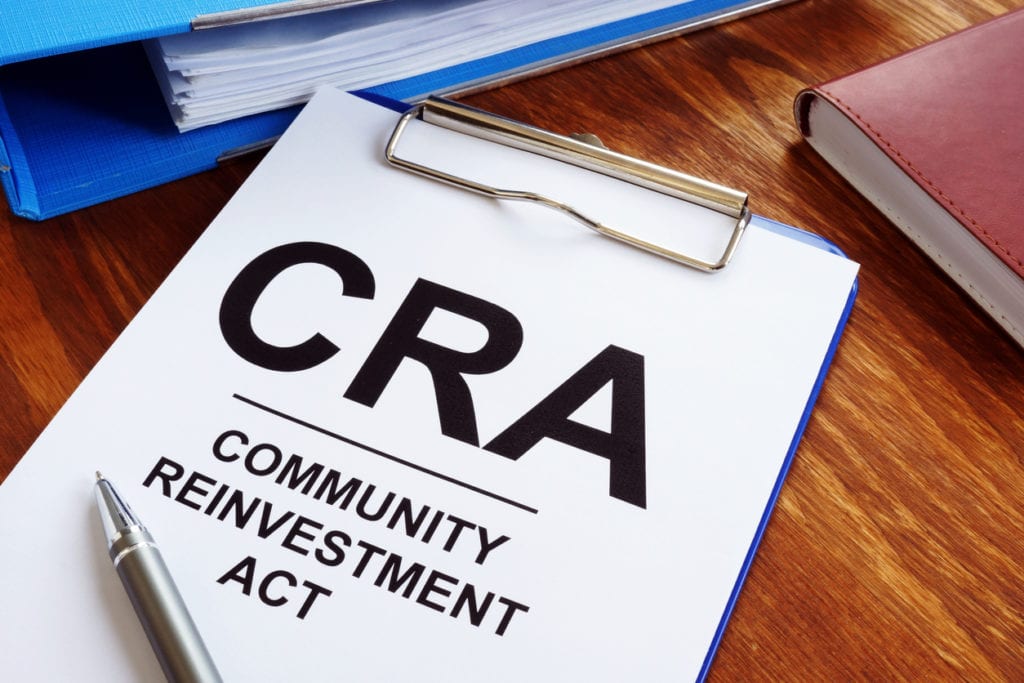
CRA Public File Reminder
It’s no joke, the April 1st deadline is just days away to review your CRA Public File(s) and ensure all required information is accurate and current and present in the file. TCA – A Better Way!

Executive Order on Disparate impact and What a Bank Should Know
On April 23, 2025, an Executive Order regarding Disparate Impact was issued. The Order states: “It is the policy of the United States to eliminate the use of disparate-impact liability in all contexts to the maximum degree possible.” In addition, it requires the assessment of pending investigations and litigation to extend to the Department of […]

What are MDI’s and the benefits of partnering with one?
Do you ever feel hesitant to engage with organizations in your community because you are unsure if the activity will qualify for CRA? You are not alone. Inconsistencies among the agencies as to what qualifies as CRA eligible activity can cause confusion and make discerning worthwhile partnerships from not-so-worthwhile partnerships that much more difficult. In […]

CRA In the Boardroom
As financial institutions face increasing pressure to demonstrate their commitment for economic stability in underserved areas and populations, the responsibility of the Board of Directors under the Community Reinvestment Act (CRA) has never been more critical in shaping strategies that serve both community and business interests. You may be thinking “How can the Board become […]

CRA as a Profitable Endeavor
Community Reinvestment Act (CRA) compliance is often considered to be a burden rather than a blessing to many financial institutions. With ever changing, and sometimes ambiguous regulatory requirements, it can be tempting to roll our eyes when it comes time for an evaluation of CRA. Like many things, if we change our mindset to see […]

TCA Compliance Welcomes Sara Kirkpatrick, Enhances its CRA Expertise
With the hiring of Sara Kirkpatrick,TCA Compliance is enhancing the consulting it provides to banks on CRA compliance topics. TCA Compliance is a full-service company that provides A Better Way for banks to manage their compliance obligations. Kirkpatrick brings firsthand knowledge of first-time homebuyers and CRA programs. She initially anticipated working at a non-profit or […]