

Stay Compliant with Overdraft Regulations
We ensure your overdraft policies, disclosures, and practices comply with regulatory standards, helping you avoid costly penalties and maintain customer trust.
Consumer overdrafts are a common occurrence at most financial institutions. Managing these transactions while maintaining compliance with regulatory requirements is essential to protecting your institution and maintaining customer trust.
TCA Compliance offers comprehensive Overdraft Protection Program Reviews to help you ensure that your overdraft policies, disclosures, and practices align with regulatory standards.
Our Approach
Our experienced consultants conduct a thorough review of your institution's overdraft program, focusing on:
Overdraft Policy Review
- Assessment of your institution’s overdraft policy.
- Evaluation of fee waiving options and fee charging practices.
Regulation E and Regulation DD Compliance
- Review of special requirements for overdrafts under Regulation E and Regulation DD.
- Assessment of compliance with opt-in and disclosure requirements.
Advertising Compliance
- Review of the accuracy and content of overdraft advertisements.
- Validation of marketing practices to ensure compliance with applicable rules.
TCA provides A Better Way to ensure your overdraft practices align with regulatory standards, protecting your institution and maintaining customer trust.
Key deliverables include:
- A detailed assessment of your overdraft program policies and practices.
- Identification of compliance gaps and regulatory risks.
- Practical recommendations to enhance compliance.
- A comprehensive compliance report with actionable insights.
Additional Compliance Topics
Regulatory Updates – 2021
It’s challenging for every Compliance professional to stay on top of the small and big changes to existing and new regulatory requirements. As you partner in compliance, we are introducing a new feature to our Regulatory Compliance Manager (RCM) Service – Quarterly Regulatory Updates.This is A Better Way for you to keep track of regulatory […]
When the Tide is Against You
Over the past several months, the banking industry has experienced tremendous loan origination volume. While increased loan production is a good thing, it is important for Compliance Managers to stay cognizant of rising risks. Pressure, whether from peers or self-imposed, to push loans through leads to a breakdown in controls that are caused from procedural […]

The Great Debate — Is This a Finance Charge?
If only there was a simple answer! Unfortunately, this seemingly simple question can be endlessly debated due to the complexity of Regulation Z. §1026.4(a) states that a finance charge is the cost of consumer credit as a dollar amount. It includes any charge payable directly or indirectly by the consumer and imposed directly or indirectly […]

Meet your Community’s Credit Needs for Fair Lending – Utilizing Regulation B’s Special Purpose Credit Program
“What are you doing to ensure diversity, equity and inclusion (DEI)?” That question routinely comes up during conference calls among us, clients, and regulatory agencies. Businesses, educational institutions, and non-profit organizations all are focusing on DEI. Financial institutions are no exception. In fact, regulatory agencies emphasize the importance of DEI in written communications about the Fair […]
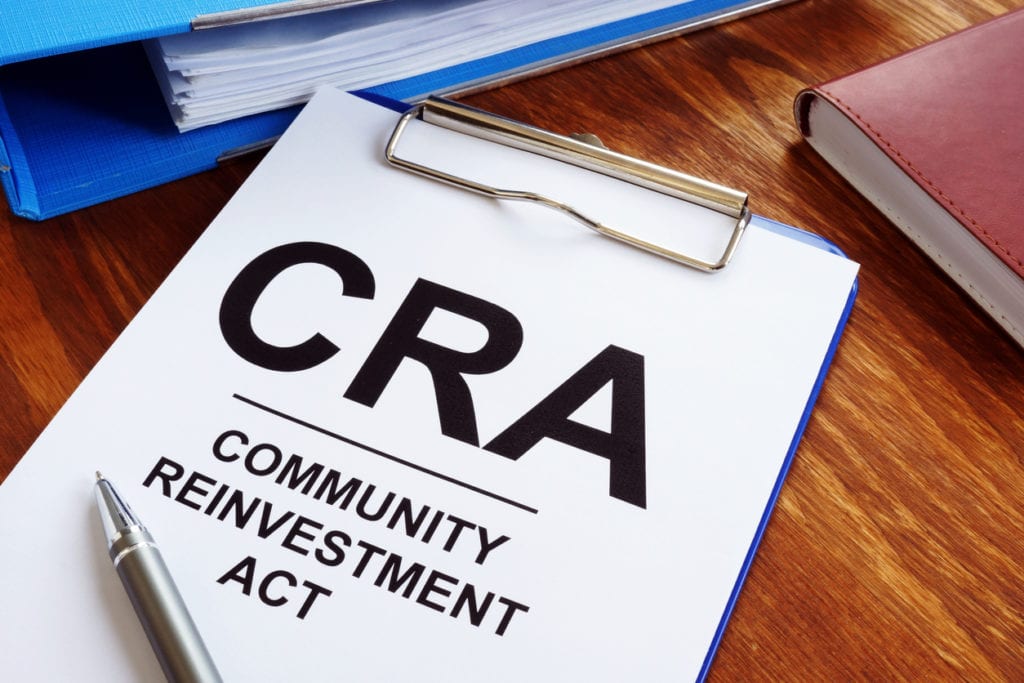
CRA Public File Reminder
April 1st is known as April Fools’ day and a time to play tricks and pranks. But did you know on April 1, 1748, the Ruins of Pompeii were rediscovered by Spaniard Rocque Joaquin de Alcubierre? Guess it is time to rediscover the CRA Public File and make sure nothing ancient is inside! By now […]

The Fannie Mae and Freddie Mac Application: New and Improved?
The mortgage application, the 1003 or URLA – these are all synonyms for the standard residential mortgage application which has been changed. Navigating through these changes can be stressful; but we are here to help. Fannie/Freddie announced the release of the redesigned Uniform Residential Loan Application (URLA) on August 23, 2016. The changes would include […]